
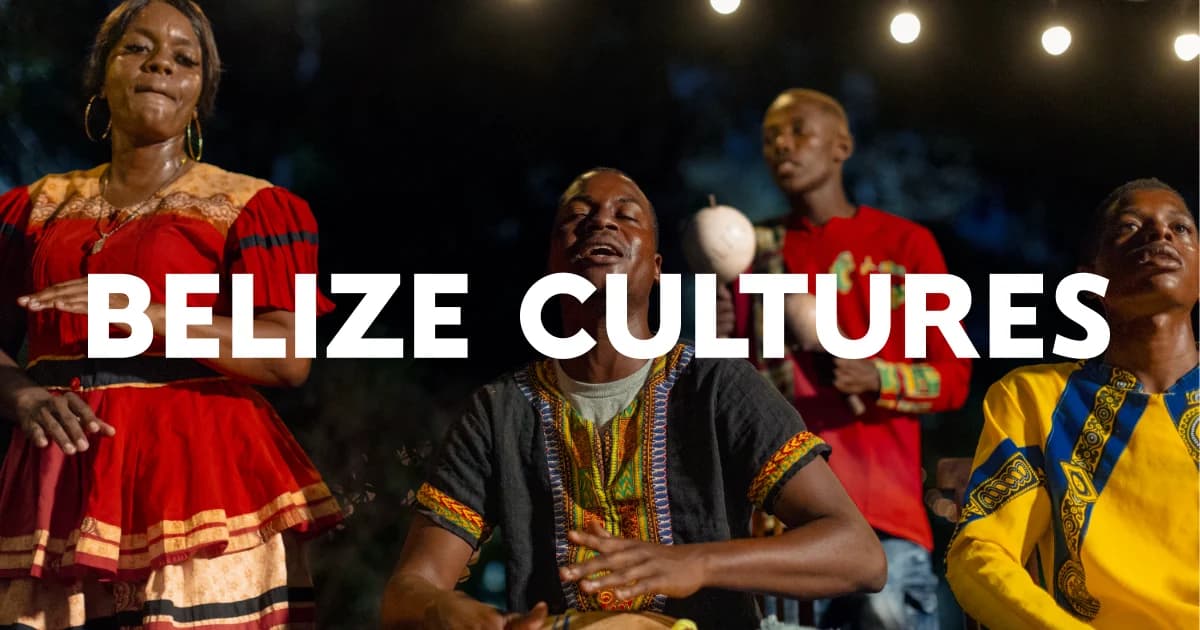
When people imagine Belize, they often picture the Belize Barrier Reef, ancient Maya temples, lush rainforests, or the turquoise waters of the Caribbean. Those places deserve their reputation, but they tell only part of Belize's story.
The country's greatest strength is its people.
Despite being one of the smallest nations in Central America, Belize is home to an extraordinary blend of cultures that have shaped its identity over centuries. Maya communities whose history stretches back thousands of years live alongside descendants of African slaves, Garifuna communities with a remarkable story of resilience, Mestizo families whose traditions span generations, Mennonite farming settlements, and vibrant Chinese, East Indian, Lebanese, and other immigrant communities.
What makes Belize special isn't simply its diversity. It's the way these cultures continue to thrive while sharing a common national identity. Visitors don't have to seek out museums or staged performances to experience Belizean culture. It exists in everyday life—in the languages spoken on village streets, the aroma of fresh tortillas and coconut rice, the rhythm of drums during celebrations, the architecture of historic towns, and the warm conversations that happen almost everywhere you go.
For travelers willing to venture beyond the beach, Belize offers one of the richest cultural experiences in the Caribbean and Central America.
How Belize Became One of the Caribbean's Most Diverse Countries
Belize's cultural mosaic developed over centuries through migration, trade, colonization, and resilience.
The Maya were the first great civilizations to flourish across what is now Belize, leaving behind magnificent cities that continue to reveal new discoveries today. Later came European settlers, enslaved Africans, and eventually the Baymen, whose settlements helped shape colonial Belize.
The Garifuna arrived in the early nineteenth century after being exiled from the island of St. Vincent. Mestizo families migrated north during periods of unrest in neighboring regions, while Mennonite communities settled in Belize during the twentieth century, transforming agriculture throughout the country. Chinese, East Indian, Lebanese, and many other immigrant families also established businesses and communities that continue to contribute to Belize's economy and culture.
Today, Belize recognizes English as its official language, but visitors are just as likely to hear Kriol, Spanish, Garifuna, Maya languages, German dialects in Mennonite communities, and many others during their travels.
This remarkable mix has created a country where cultural exchange happens naturally without erasing individual identities.
The Maya: Guardians of an Ancient Civilization
Long before Belize became a modern nation, the Maya built sophisticated cities, developed advanced astronomy and mathematics, and cultivated rich spiritual traditions that continue to influence life today.
Modern Maya communities—including the Yucatec, Mopan, and Q'eqchi' Maya—continue to preserve their languages, crafts, farming practices, and traditions throughout western and southern Belize.
Visitors can explore iconic archaeological sites such as Caracol, Xunantunich, Lubaantun, Nim Li Punit, and Cahal Pech while also discovering that Maya culture is far from ancient history. Local communities continue traditional methods of chocolate making, corn cultivation, weaving, pottery, and medicinal plant knowledge passed down through generations.
The Cayo District provides one of the best opportunities to experience both ancient history and living Maya culture. Resorts such as Ka'ana Resort Belize, and Vanilla Hills Resort provide excellent bases for exploring western Belize.
Traveling farther south into Toledo introduces visitors to Maya villages where community tourism experiences provide meaningful opportunities to learn directly from local residents. Copal Tree Lodge, a Muy'Ono Resort, offers access to many of these southern experiences.
The Garifuna: Music, Heritage, and Resilience
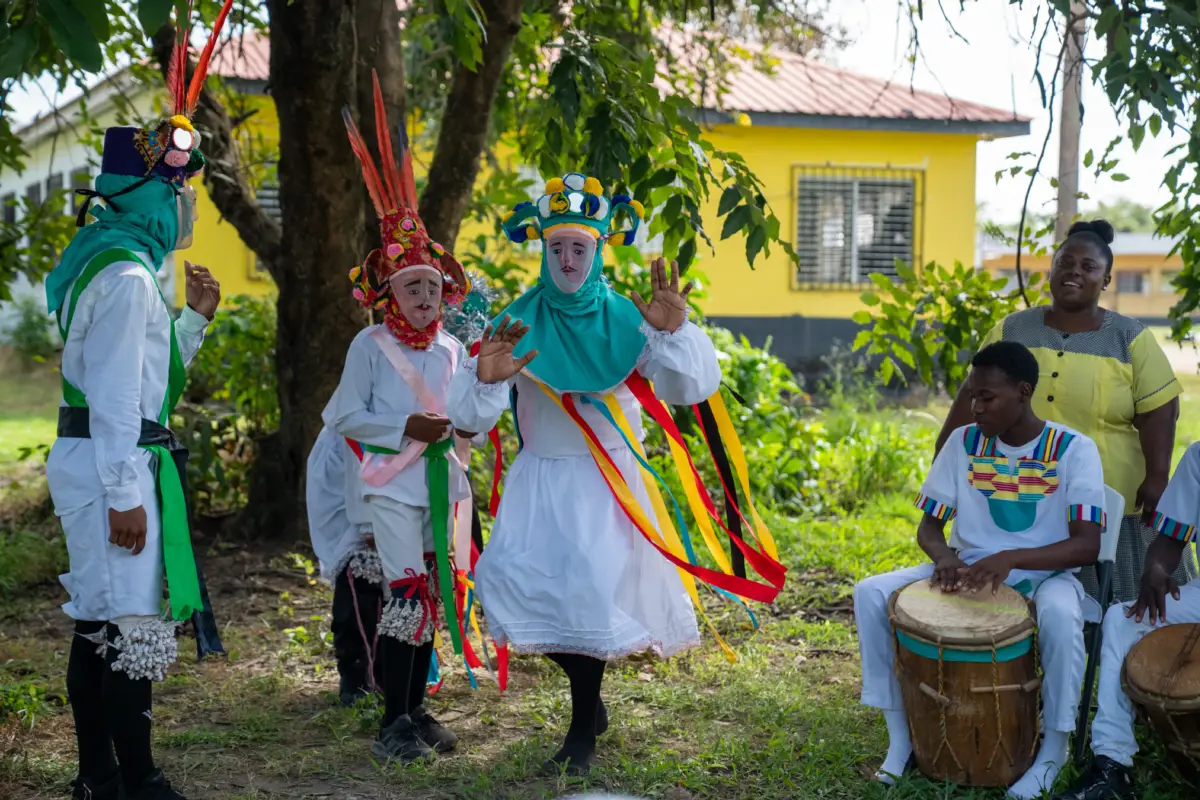
Few cultures possess a history as remarkable as that of the Garifuna people.
Descended from Africans and Indigenous Caribbean peoples, the Garifuna developed a distinct culture before eventually arriving along Belize's southern coast. Today, their traditions remain among the country's most celebrated cultural treasures.
Garifuna communities are especially prominent in Dangriga, Hopkins, Seine Bight, and Punta Gorda.
Music forms the heartbeat of Garifuna culture. Traditional drumming, dancing, storytelling, and songs continue to play important roles during celebrations and ceremonies. UNESCO has recognized Garifuna language, music, and dance as part of the Intangible Cultural Heritage of Humanity, reflecting their global cultural significance.
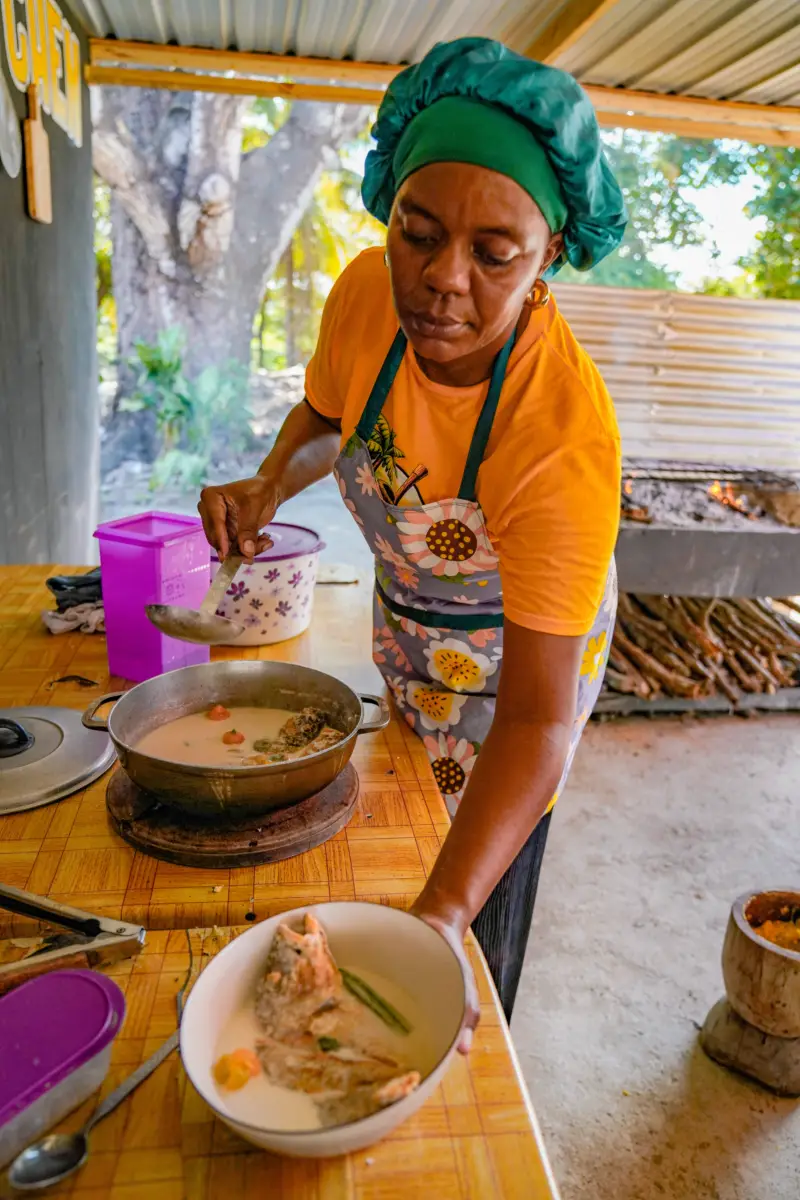
Food is equally memorable. Dishes such as hudut; fresh fish served with mashed plantain in a rich coconut broth and cassava bread showcase generations of culinary tradition.
Visitors fortunate enough to travel during Garifuna Settlement Day on November 19 witness one of Belize's most vibrant national celebrations, featuring reenactments, drumming, parades, and cultural performances across southern Belize.
Sirenian Bay Resort & Villas, and Pelican Beach Resorts–South Water Caye all place travelers within easy reach of authentic Garifuna communities and experiences.
Creole Culture: The Heartbeat of Coastal Belize
Creole culture has long shaped Belize's national identity.
Emerging from the history of enslaved Africans and European settlers during the colonial era, Creole communities played a foundational role in developing modern Belizean society. Their influence can be found throughout the country's language, cuisine, music, humor, and everyday life.
Belize Kriol is widely spoken across the country and often becomes one of the first things visitors notice. Even travelers who speak English quickly discover local expressions that reflect Belize's unique character.
Belize City remains the historic center of Creole culture. Walking through its older neighborhoods reveals colonial architecture, historic landmarks, churches, and waterfront views that tell the story of Belize's development.
Creole cuisine has become synonymous with Belizean comfort food. Rice and beans cooked in coconut milk, stewed chicken, fried fish, potato salad, and fresh seafood appear on tables across the country.
Fort George Hotel and Spa, The Great House Inn, Harbour View Boutique Hotel & Wellness Retreat, and Best Western Plus Belize Biltmore Plaza provide convenient access to Belize City's history and cultural attractions. Along the cayes, Blue Tang Inn, offers opportunities to experience Belize's coastal communities.
Mestizo Traditions Across Northern Belize
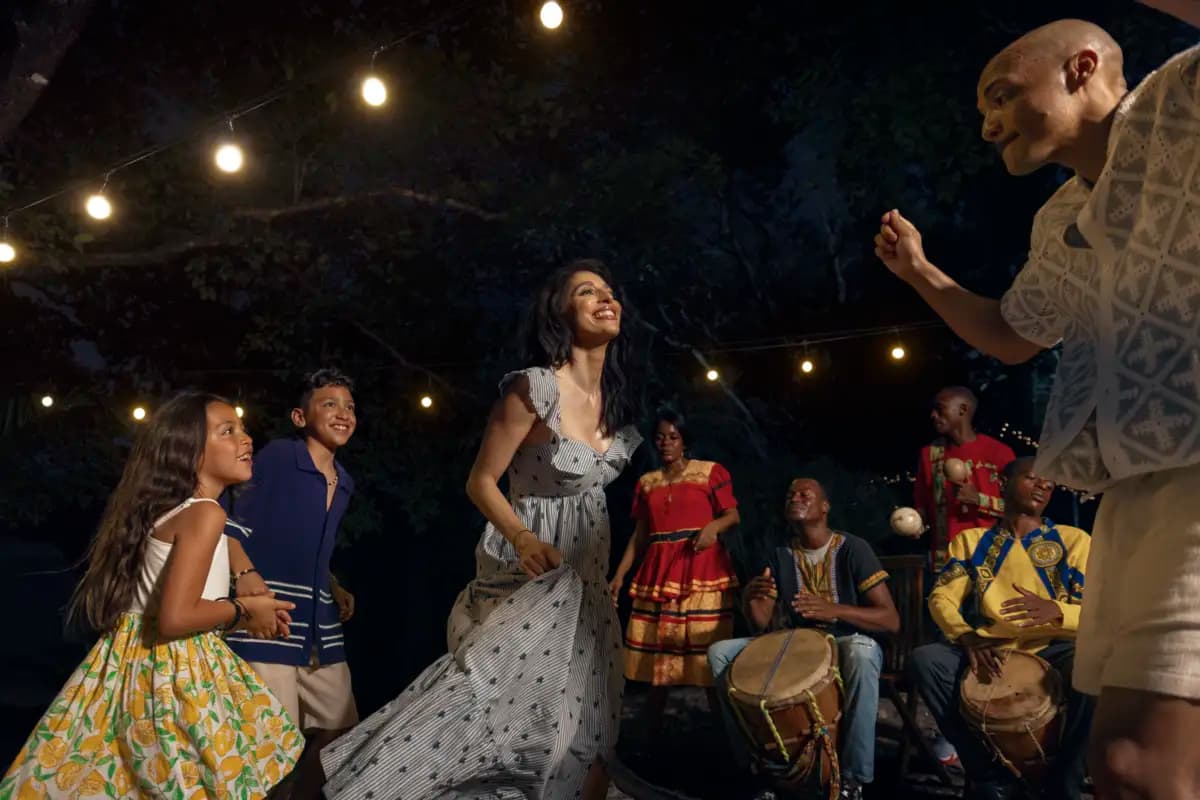
Northern Belize reflects strong Mestizo traditions that have become an essential part of the country's cultural fabric.
Many Mestizo families trace their roots to migrations from Mexico and neighboring regions during the nineteenth century. Their influence can be seen throughout Belize's northern districts in language, festivals, food, music, and agriculture.
Spanish is commonly spoken alongside English and Kriol, particularly in Corozal and Orange Walk.
Traditional foods, including tamales, escabeche, caldo, fresh tortillas, and handmade cheeses remain central to family life and community celebrations.
Travelers exploring northern Belize discover a slower pace that rewards curiosity. Local markets, town squares, village festivals, and family-owned restaurants provide opportunities to experience daily life beyond the country's most visited destinations.
Lamanai Outpost Lodge offers convenient access to Orange Walk and one of Belize's most impressive Maya sites, while Princess Vegas Hotel provides comfortable bases for exploring northern Belize.
Mennonite Communities: Agriculture and Craftsmanship
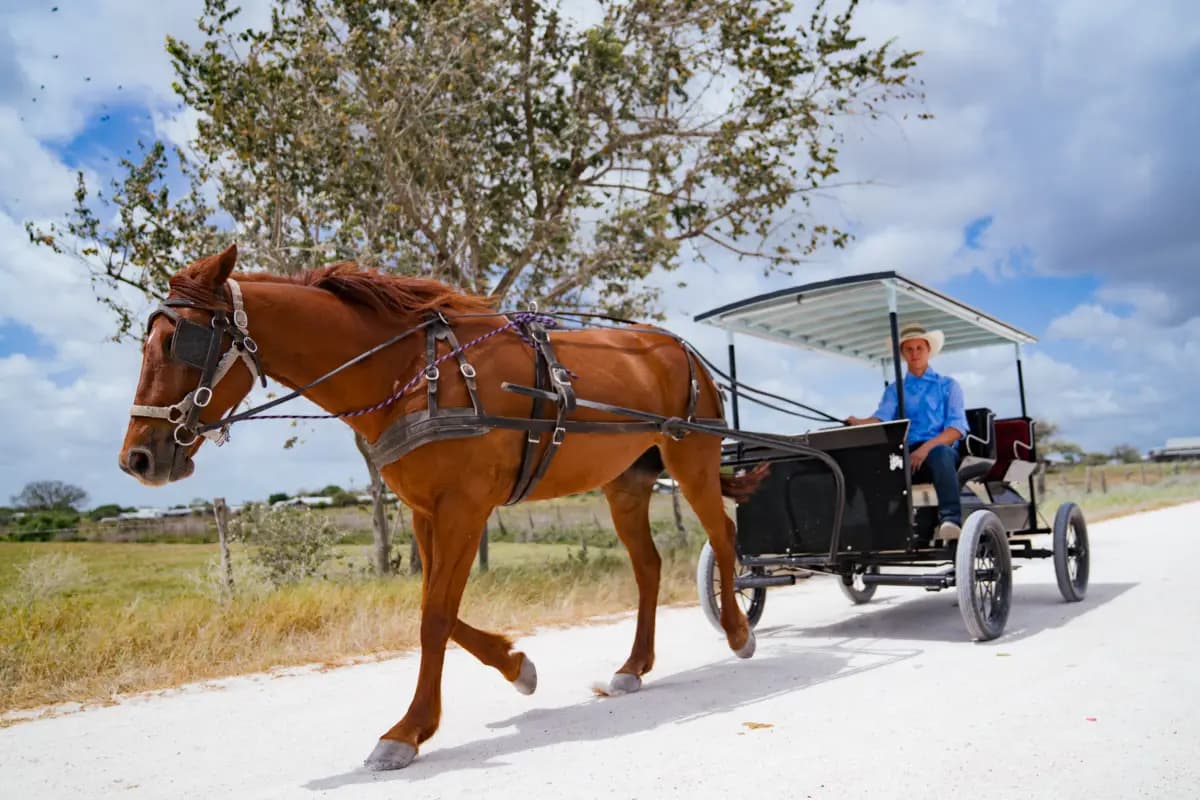
One of the most distinctive cultural experiences in Belize can be found inland among the country's Mennonite communities.
Settlements such as Spanish Lookout, Shipyard, and Little Belize have become nationally recognized for agriculture, dairy production, woodworking, and manufacturing.
Visitors often notice horse-drawn buggies sharing roads with modern farming equipment, illustrating the balance between traditional values and contemporary enterprise found within different Mennonite communities.
Fresh dairy products, locally crafted furniture, baked goods, and produce from Mennonite farms are enjoyed throughout Belize.
Travelers exploring western Belize can easily include visits to these agricultural communities while staying at Ka'ana Resort Belize.
East Indian, Chinese, Lebanese, and Other Communities
Belize's diversity extends well beyond its largest cultural groups.
East Indian families brought culinary traditions that continue to influence Belizean cooking, particularly dishes featuring curries, spices, and roti. Chinese families have become an integral part of Belize's business community, operating restaurants, supermarkets, and shops across nearly every district. Lebanese immigrants have also contributed significantly to commerce, entrepreneurship, and community development.
Unlike some cultural experiences tied to a specific region, these communities are woven into everyday life throughout Belize.
Whether dining in a neighborhood restaurant, visiting local businesses, or exploring town centers, travelers naturally encounter the influence of generations of immigrant families who have helped shape modern Belize.
Culture Is Not a Performance
One of the greatest misconceptions about cultural tourism is the idea that culture exists only during festivals or organized demonstrations.
In Belize, culture is lived every day.
You'll hear multiple languages during a morning market visit. You'll taste family recipes prepared the same way for generations. You'll meet guides whose grandparents taught them local history. You'll find schoolchildren moving comfortably between English, Kriol, and Spanish in ordinary conversation.
The most rewarding cultural experiences often happen unexpectedly.
Instead of rushing between attractions, spend time in village cafés, attend local celebrations if your visit coincides with one, visit community museums, hire knowledgeable local guides, and ask respectful questions. Belizeans are generally proud to share their heritage with visitors who show genuine interest.
Approaching these experiences with curiosity rather than expectation creates richer memories and a deeper understanding of the country.
Exploring Belize Through Its Communities
Each region of Belize tells a different chapter of the country's story.
Western Belize offers ancient Maya cities and thriving Indigenous communities. The southern coast introduces visitors to the music, cuisine, and traditions of the Garifuna people. Northern Belize reflects strong Mestizo heritage, while Belize City showcases centuries of Creole history. Inland farming communities reveal the important role of Mennonite settlements, and nearly every town reflects the contributions of Chinese, East Indian, Lebanese, and many other families who now call Belize home.
The beauty of traveling through Belize is that these experiences are connected rather than isolated. A single journey might include a Maya archaeological site in the morning, lunch at a family-owned Mestizo restaurant, conversations in Kriol along the coast, and an evening filled with Garifuna drumming.
That diversity is difficult to find anywhere else.
While Belize's reefs, rainforests, wildlife, and islands attract visitors from around the world, it is the country's people who leave the deepest impression. Understanding the cultures of Belize transforms a vacation into something far more meaningful—an opportunity to appreciate the history, traditions, and communities that continue to shape one of the world's most welcoming destinations.